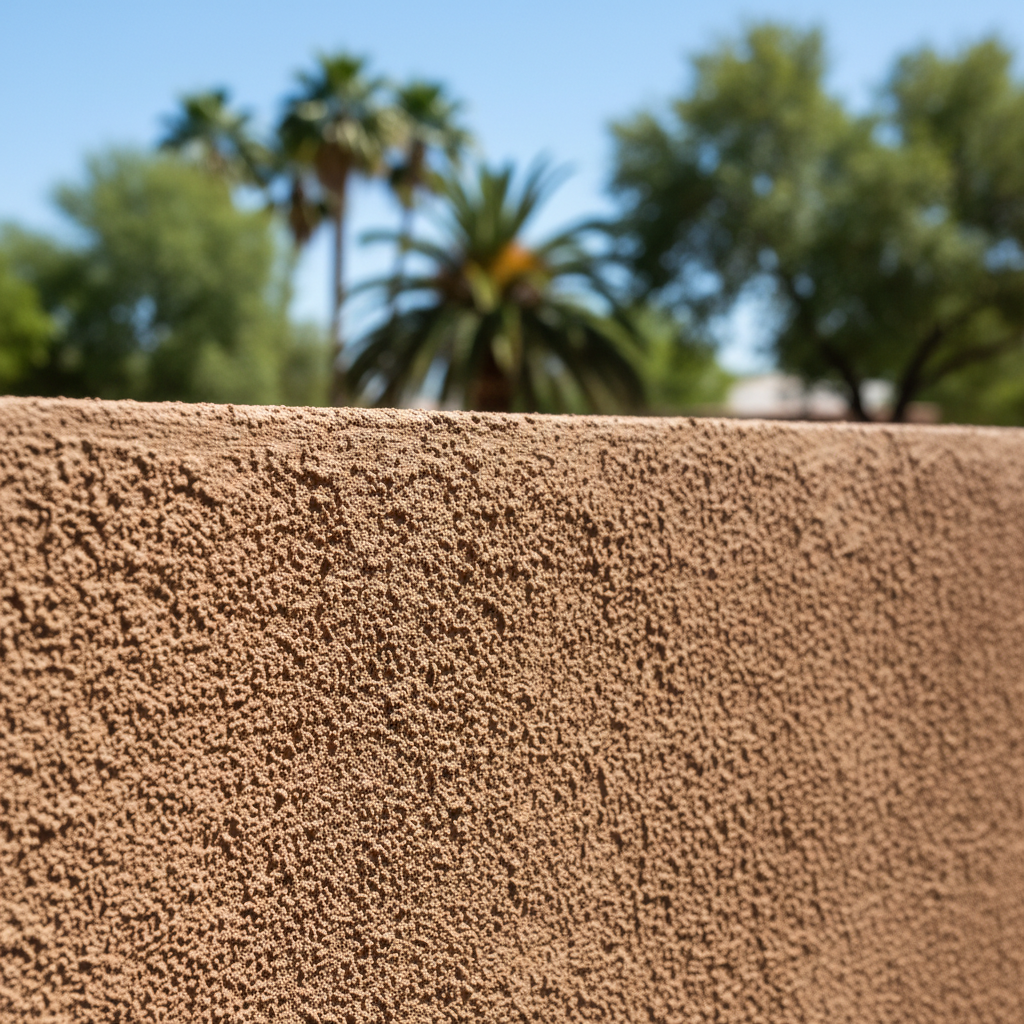
Alright, so you're looking at your stucco and maybe wondering how it's holding up. Perhaps you've noticed a little something, or maybe you're just being proactive. Good for you, seriously. A lot of folks here in Tempe don't even think about their stucco until there's a real problem, but a quick regular inspection can save you a ton of headaches and cash down the road. Trust me on that one.
Before You Grab the Ladder: What to Know
Before you even start poking around, it helps to understand what you're actually looking for. Stucco is tough stuff, especially the kind we put on homes here in the desert. But it's not invincible. Our intense summer sun, those crazy monsoon downpours, and even the occasional dust storm can really take a toll. Mostly, you're trying to find signs of water getting in or bigger structural issues. That means cracks, discoloration, bulging, or anything else that just doesn't quite look right.
You should also know a bit about your home's history. Was the stucco just put on? Or is it original to a 30-year-old house in, say, the Alameda neighborhood? Knowing its age and if it's had any repairs before gives you a good starting point. Newer stucco probably won't have many problems, but older stuff might show its age a bit more.
Your DIY Stucco Inspection Checklist: What You Can Do
Okay, let's get down to it. Here's what you can realistically check yourself without needing any special tools or training. You're looking for the obvious stuff, the big red flags that practically scream, 'Hey, something's not right here!'
- Look for Cracks: Not every crack is a bad sign. Hairline cracks, especially around windows and doors, are pretty common, usually just surface-level. But if you see cracks wider than a credit card, or if they spread out like a spiderweb, or if they're really long and run horizontally, that's definitely a concern. Pay extra close attention where different materials meet, like where stucco touches trim or the foundation.
- Check for Discoloration: Dark streaks, particularly under windows, near the roofline, or at the bottom of walls, often mean water is getting in and running down. It could be algae, mold, or just dirt, but either way, it's a sign of too much moisture.
- Feel for Soft Spots or Bulges: Gently press on the stucco in various spots. Does it feel soft or spongy? Does it give way at all? Are there any areas that look like they're bubbling or bulging out? This is a big one, often pointing to trapped moisture and rot happening underneath.
- Inspect Around Openings: Windows, doors, vents, and utility penetrations are classic entry points for water. Check the sealant around these areas. Is it cracked, peeling, or even missing? If water can get behind the stucco here, you've got a problem.
- Examine the Foundation Line: Your stucco shouldn't go all the way down to the dirt. There should be a gap, usually 4-6 inches, between the bottom of the stucco and the ground. If dirt or landscaping is piled up against the stucco, it's a direct path for moisture and pests. This is a super common issue I see around older homes in places like South Tempe.
Try to do this walk-around at least once a year, maybe after monsoon season, or if you just notice anything out of the ordinary. It really doesn't take long, and it could save you a fortune.
When to Call a Pro: Leave It to Us
Now, here's the honest truth: there's only so much you can actually see with your own eyes. If you spot any of those red flags I just mentioned, or if you're simply not sure what you're looking at, that's when you call someone like us. Please don't try to patch a major crack or seal a window yourself if you suspect water damage behind it. You could easily make things worse.
We've got specialized tools, like moisture meters, that can detect water behind the stucco without tearing anything open. We know all the common failure points for stucco in this climate, and we can tell the difference between a cosmetic crack and a structural issue. A professional inspection goes much deeper, looking at the entire system, from the flashing to the weep screed, and finding potential problems before they turn into huge repairs.
Think of it this way: you can check your car's oil, sure, but you probably don't do your own transmission rebuild, right? Same idea here. Your home is a massive investment. If you're worried about your stucco, a professional assessment from Tempe Stucco & Plastering is a really smart move. We'll give you an honest appraisal of what's going on and what, if anything, needs to be done. It's all about protecting your home for the long haul.