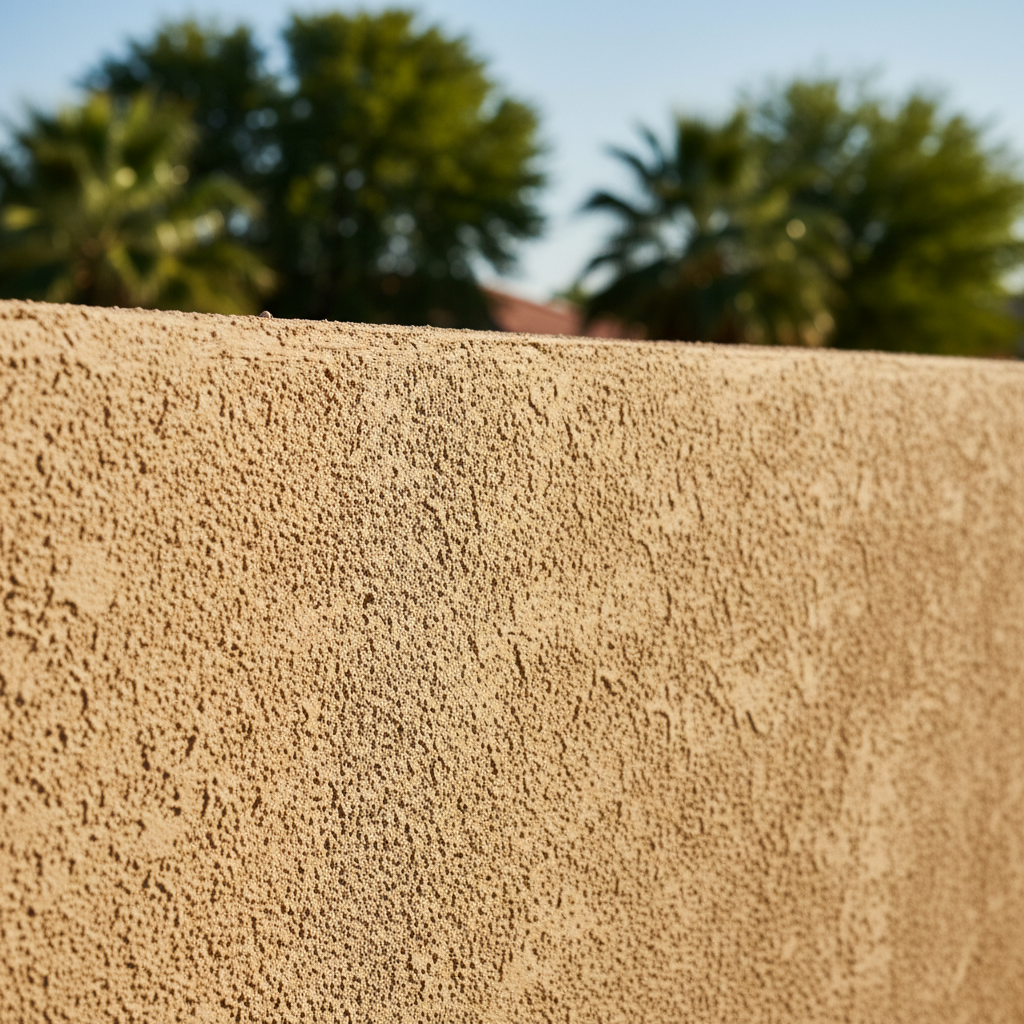
EIFS for Your Home: What You Need to Know
EIFS, or Exterior Insulation and Finish Systems, is a solid choice for home exteriors, especially here in Tempe. You might know it as synthetic stucco. It's got great insulation properties, which is a big deal when those summer temps hit 115 degrees. But when it comes to putting it on your house, you're probably wondering what you can do yourself and where you absolutely need a pro. Let's talk about it.
Before You Start: Planning & Permits
First things first: planning. This isn't a weekend paint job. EIFS is a multi-layered system, and getting it right is crucial for its performance and longevity. You'll need to figure out your budget, the scope of the project, and what kind of finish you want. Do you want a smooth, modern look, or something with more texture?
Permits are non-negotiable. In Tempe, you'll definitely need one for exterior work like this. Don't skip this step. The city wants to make sure the work is done safely and to code. Pulling permits yourself is usually doable, but it involves paperwork and possibly a trip or two to the planning department. If you hire a reputable contractor, they'll handle this for you. That's one less headache.
DIY vs. Pro: The Real Talk
Okay, let's get down to brass tacks. Can you DIY EIFS? Technically, yes, if you're incredibly handy, patient, and willing to learn a very specific trade. But I'm going to be straight with you: it's not for the faint of heart, and it's definitely not a beginner's project.
- What you *might* be able to do (with caution):
- Surface Prep: Cleaning the existing wall, removing old trim, making sure the surface is sound. This is labor-intensive but doesn't require specialized EIFS skills.
- Insulation Board Installation (basic areas): If you're just doing a small, flat section without a lot of cuts or intricate details, you could probably manage to adhere the insulation boards. But getting them perfectly level and plumb across a whole wall is harder than it looks.
- What you absolutely should hire a pro for:
- Water Resistive Barrier (WRB) and Flashing: This is the most critical part of the system. If water gets behind the EIFS, you're looking at rot, mold, and major structural damage. Proper flashing around windows, doors, and penetrations is an art form. A small mistake here can cost you tens of thousands later. This isn't a place to cut corners.
- Base Coat and Mesh Application: This layer provides impact resistance and is key to the system's strength. Getting the thickness right and embedding the mesh without wrinkles or air bubbles takes practice and precision.
- Finish Coat Application: The final aesthetic. EIFS finishes are applied differently than traditional stucco. Achieving a uniform texture and color across a large area without visible seams or trowel marks requires significant skill and speed. You've got to work fast before it dries.
- Complex Architectural Details: Arches, cornices, bands – these require custom cutting of insulation boards and expert application of all layers.
For most homeowners, especially here in Tempe where the sun is brutal and mistakes can show up fast, hiring a professional EIFS contractor is the smart move. We've seen too many DIY attempts go south, leading to costly repairs down the line. It's often more expensive to fix a bad EIFS job than to do it right the first time.
During the Project: What to Expect
If you do hire a pro, make sure they're licensed, insured, and have experience with EIFS specifically. Ask for references and check out their past work. A good contractor will keep the site clean, communicate clearly, and have a solid plan for weather protection, especially during our monsoon season. You don't want rain hitting exposed layers.
Expect multiple stages: surface prep, WRB, insulation board, base coat with mesh, and finally the finish coat. Each layer needs proper drying time. Don't rush it.
After Installation: Maintenance Tips
Once your EIFS is installed, it's pretty low maintenance, which is one of its big selling points. You'll want to do a visual inspection a couple of times a year. Look for any cracks, impact damage, or areas where the finish might be peeling. If you see small cracks, they can often be sealed with an appropriate caulk. Larger damage needs a professional repair.
Keep your EIFS clean. A gentle wash with a hose and mild detergent is usually all it takes. Don't use a high-pressure washer too close, as it can damage the finish. Make sure your sprinklers aren't constantly hitting the walls, as prolonged moisture can be an issue. Also, keep an eye on your gutters and downspouts; you want water directed away from the EIFS.
At Tempe Stucco & Plastering, we've installed and repaired plenty of EIFS systems around here. It's a great product when it's done right. If you're serious about EIFS for your home, especially for those bigger, more complex jobs, give us a call. We're happy to walk you through the process and make sure your investment is sound.