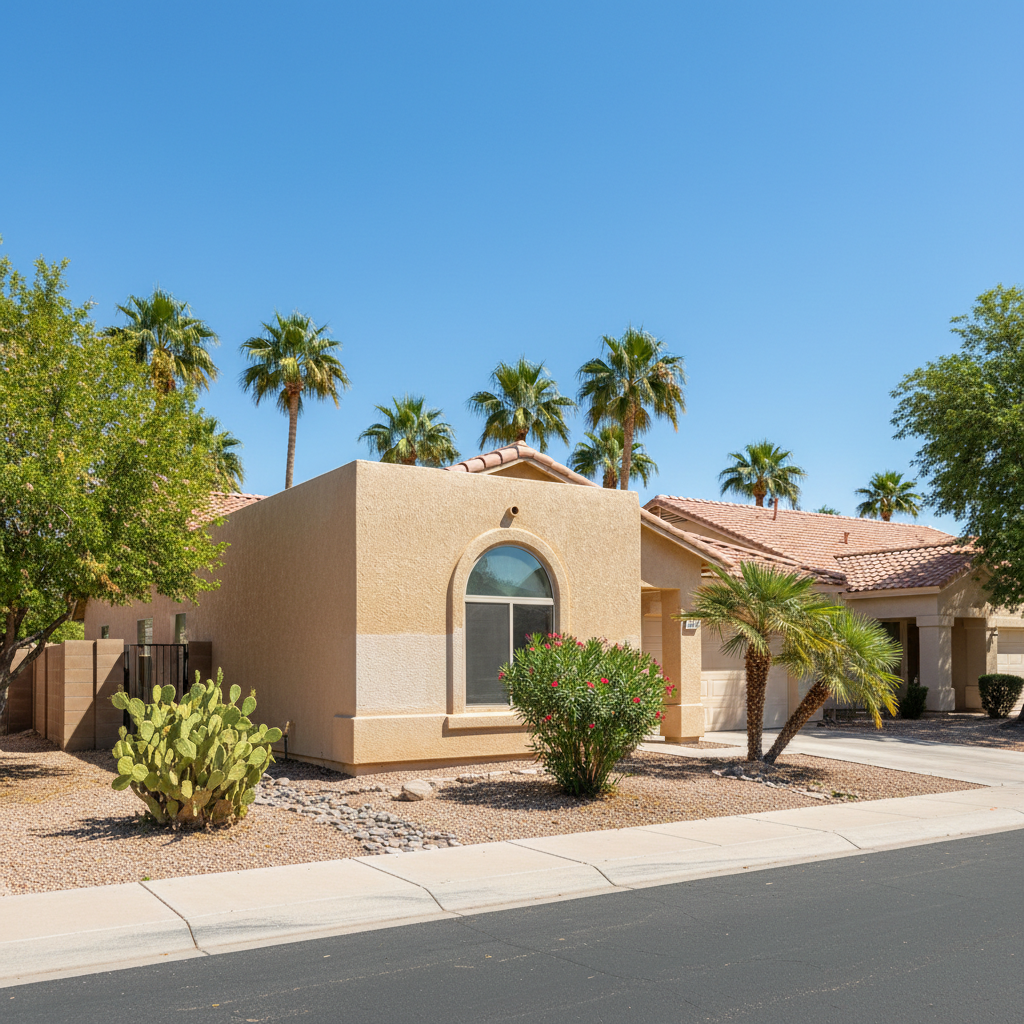
Why Tempe Walls Take a Beating Every Year
If you live anywhere from the older ranch houses near the Maple-Ash neighborhood up toward the newer builds close to Rural Road, you already know what our desert climate does to a house. Stucco acts like a second skin for your home, but it deals with brutal extremes here. When summer temperatures push past 110 degrees and then drop sharply at night, the rapid expansion and contraction create stress. Add in the howling dust storms of spring and the sudden downpours during monsoon season, and those tiny hairline cracks start looking a whole lot more threatening.
Tempe Stucco & Plastering spends a lot of time out on service calls where homeowners are noticing small surface fractures turning into major issues. Ignoring a crack because it looks cosmetic is usually a gamble you will lose once the heavy rains hit. Water finds its way behind that exterior coat, and before you know it, you are dealing with bubbling, delamination, and rot hidden under the surface.
Spotting the Early Warning Signs
Most property owners do not think about their exterior walls until something looks obviously wrong. But waiting for chunks to fall off is an expensive strategy. Here are a few things worth keeping an eye on around your property:
- Hairline spider webbing around window frames and door headers where thermal movement hits hardest.
- A hollow, empty sound when you gently tap on sections of the wall near the roofline.
- Discolored streaks or chalky patches where intense UV exposure has broken down the protective paint or finish coat.
- Bulging areas where moisture has gotten trapped behind the mesh and started pushing the plaster outward.
If you spot any of these indicators, patching it with a tube of generic caulk from the hardware store is not going to cut it. Stucco repair requires matching the original base layers, respecting the cure times, and blending the texture so your patch does not stick out like a sore thumb.
The Right Way to Handle a Repair
Doing Stucco Repair right means digging out the damaged material back to a solid substrate. We cut away the compromised edges, clean out the dust, check the wire lath for rust, and rebuild the layers properly. In a dry environment like ours, managing how fast the material dries is key. If a patch dries out too quickly under the Arizona sun, it loses its structural bond and cracks all over again within a year. Tempe Stucco & Plastering uses proper bonding agents and keeps moisture levels balanced so the new Stucco Repair actually becomes part of the wall, rather than just a band-aid waiting to pop off.
Whether you are trying to pass an HOA inspection or just keeping your home watertight before the next big storm rolls across the valley, taking care of your exterior walls pays off in the long run. For homes and businesses in Tempe, Tempe Stucco & Plastering provides Stucco Repair services.