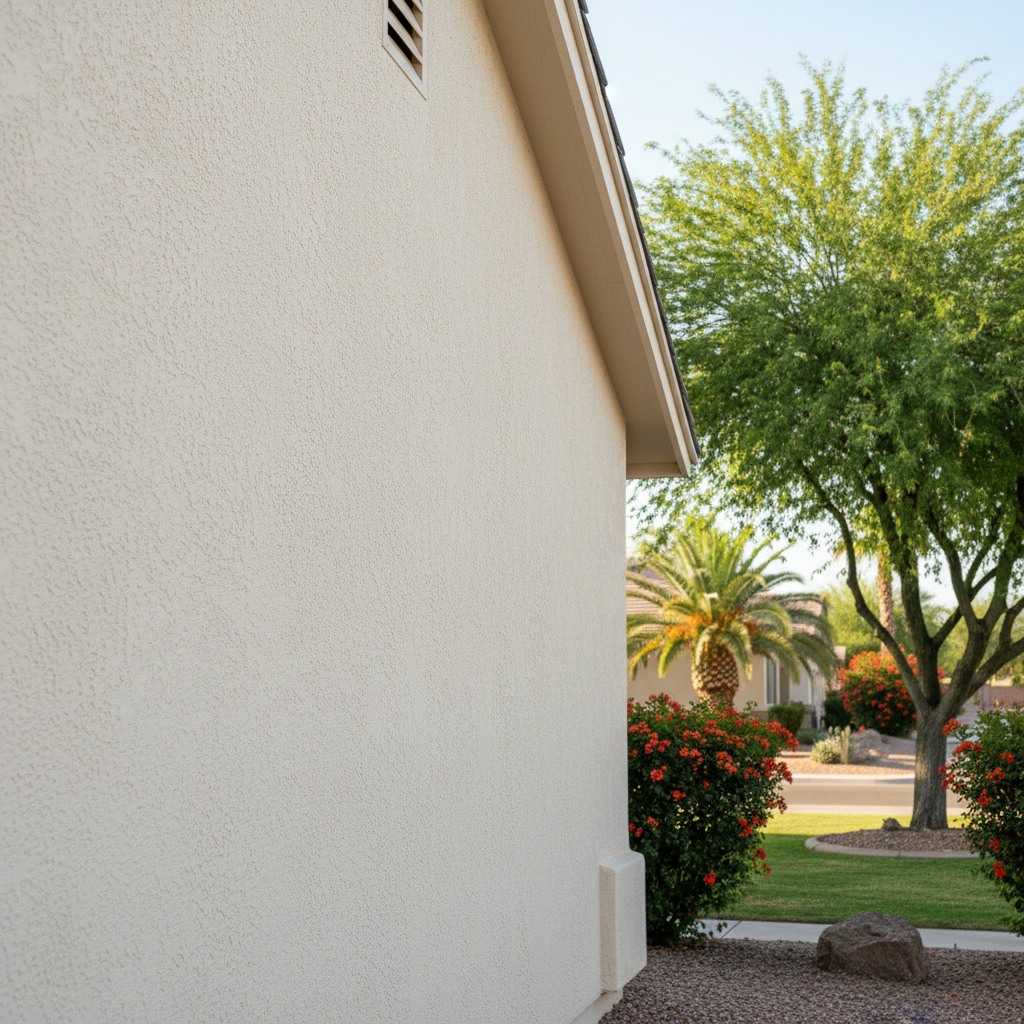
Living here in Tempe, you know our climate isn't messing around. That intense sun, the dry heat most of the year, and then those sudden, torrential monsoon downpours – they really beat up your home's exterior. Your stucco, if it was put on right, is tough enough to handle it, but even the strongest stuff needs a little care to last. I've seen firsthand what happens when folks ignore their stucco, and trust me, it’s neither pretty nor cheap to fix.
So, let's chat about how to make your stucco last longer, what kind of regular upkeep it needs, what red flags to look for, and when it’s definitely time to call in the pros, like us at Tempe Stucco & Plastering.
Make Your Stucco Last Longer in the Arizona Heat
Stucco really shines in our hot, dry climate. It's dense, which helps keep your indoor temperatures steady. But those extreme temperatures and UV rays are constantly trying to wear it down. Here’s what you can do to give it the best shot at a long, happy life:
- Protect it from the Sun: This might seem super obvious, but anything you can do to shade your stucco, especially on walls facing south and west, helps a ton. Think about planting some trees or shrubs, putting up a pergola, or even adding patio covers. UV rays will break down paint colors and dry out the surface, which leads to fading and cracks. Lighter paint colors can also make a difference by reflecting more heat.
- Seal and Paint Smart: When it's time to paint again (usually every 7-10 years, though really sunny spots might need it sooner), go for high-quality, UV-resistant acrylic paints made for masonry. These paints can actually flex a bit with temperature changes and give better protection. Some professional painters even use elastomeric coatings that can cover up small hairline cracks.
- Fix Cracks ASAP: Even tiny cracks can let moisture sneak in, and that's a huge problem here. Our monsoon rains will find any opening, and once water gets trapped behind the stucco, it can cause serious damage like wood rot and mold. Get those cracks repaired quickly; it'll save you bigger headaches down the road.
- Watch Your Sprinklers: I really can't say this enough. Sprinklers constantly hitting your stucco walls because they're aimed wrong are a major reason for hidden moisture and that white powdery stuff, efflorescence. Adjust them so they water your plants, not your house.
Regular Maintenance: Keep an Eye Out
You don't have to be a stucco wizard to do regular maintenance. It's mostly about just paying attention. I'd suggest doing a good, thorough check at least once a year – maybe after the summer, and definitely after any big monsoon storms roll through.
- Visual Inspection: Take a walk all around your home. Look for anything that seems off. Are there new cracks? Is the paint fading unevenly? Any strange stains? Pay extra close attention around windows, doors, and where the roof meets the walls – those are common spots for trouble.
- Clean Your Stucco: Dust, dirt, and general desert grime pile up quickly out here. Cleaning it regularly helps stop discoloration and keeps your stucco looking sharp. Use a soft-bristled brush with a pH-neutral cleaner made specifically for masonry. If you're using a pressure washer, keep it on a low setting (no more than 1500 PSI) so you don't damage the surface. I'd say clean it at least twice a year – once in the spring to get rid of winter dust, and then again in the fall after monsoon season.
- Check Weep Screeds: These are those metal strips at the bottom of your stucco walls. They're there to help water drain out. Make sure they aren't clogged with dirt or debris, and that they're not buried below the ground level. If they are, water can actually wick up into your walls.
- Caulking Check: Take a look at the caulking around your windows, doors, and any other spots where things poke through your stucco. If it's cracked, dried out, or pulling away, you need to replace it. This is a common entry point for water, believe it or not.
Warning Signs of Bigger Problems
Some issues are more than just cosmetic. If you spot any of these, it's definitely time to get a professional opinion:
- Cracks That Are More Than Hairline: Hairline cracks (smaller than 1/16 of an inch) are often just cosmetic, caused by normal curing or our daily expansion and contraction. But if you see cracks that are wider, or if they're stair-stepping, diagonal, or look like a spiderweb pattern (sometimes called 'map cracking'), those can point to foundation movement, improper curing, or other structural issues.
- Bubbling, Blistering, or Peeling Stucco: This is a huge red flag. It usually means moisture is trapped behind the stucco, causing it to delaminate or separate from the wall. If you press on the surface and it feels soft or spongy, that's another sign of moisture damage.
- Efflorescence: That white, powdery, crystalline stuff on your stucco? That's efflorescence. It's salt residue left behind when water evaporates. While it can sometimes be just a cosmetic thing, it often signals that water is getting into your stucco system. If you see it, especially in the same spots over and over, it means you've got a moisture problem that needs fixing.
- Dark Stains or Discoloration: Especially if they don't dry out or go away. This can mean water is getting in, or even mold is growing behind the stucco.
- Interior Water Damage: Stains on your inside drywall, peeling paint, or a musty smell near exterior walls are definite signs that water is getting through your stucco and into your home's structure.
When to Call a Professional
Look, I'm all for homeowners taking care of their place, but some jobs are just too important to DIY. If you see any of those warning signs I just mentioned, especially anything related to moisture, don't wait. A small problem can quickly turn into a huge, expensive nightmare, particularly with our monsoon season. Water intrusion is the most costly stucco problem we see in Tempe, and it's often found too late.
You should call a professional like Tempe Stucco & Plastering if:
- You have cracks wider than a hairline, or any pattern cracking.
- You see bubbling, blistering, or delamination.
- You have persistent efflorescence.
- You suspect water intrusion, either from outside signs or inside damage.
- You're just not sure about what's causing a stucco issue or how bad it is.
- You want a professional inspection. We actually recommend one every 5-7 years, or right away if you notice new problems. We can use tools like moisture meters to find hidden issues without tearing up your walls.
Getting ahead of these issues is key to protecting your investment. Stucco is incredibly durable, and with the right care, it'll keep your Tempe home looking great and standing strong for decades.