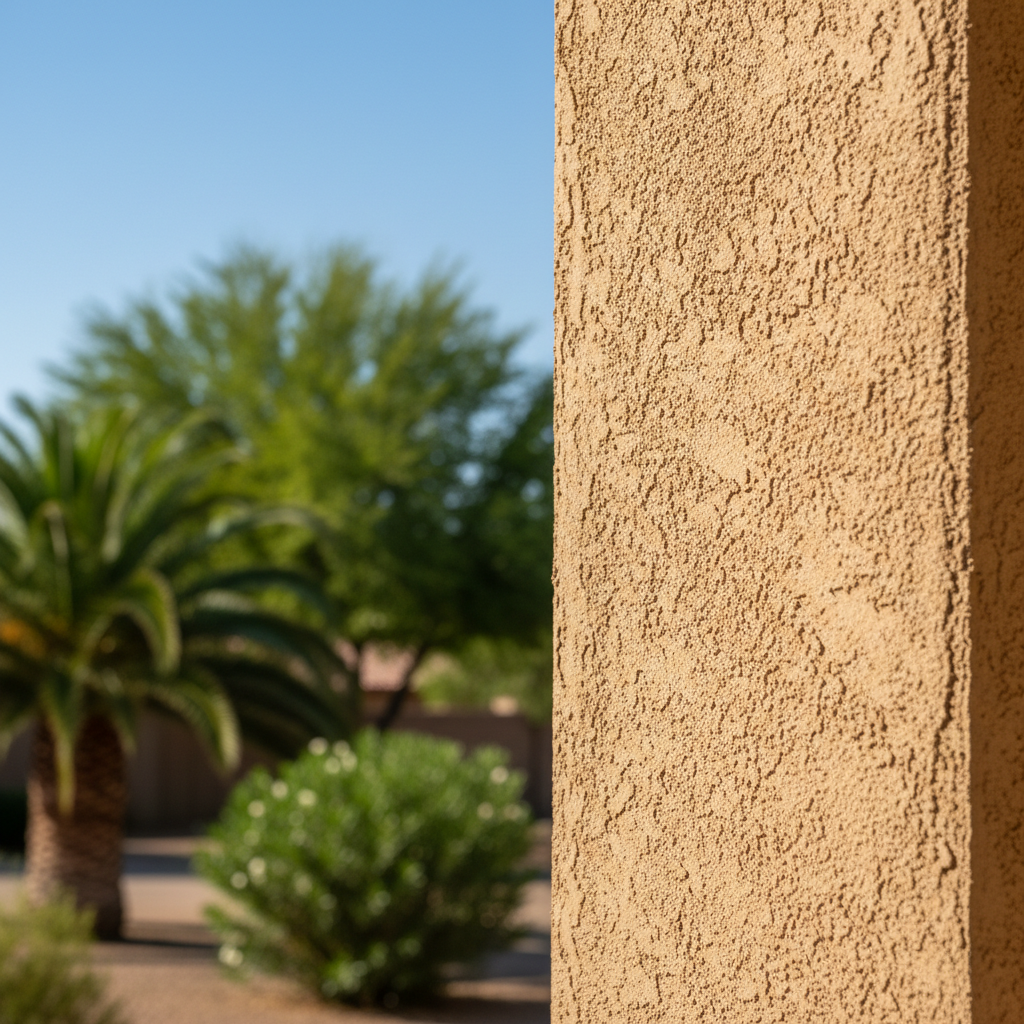
Alright, let's talk stucco inspections. You live in Tempe, so you know our homes really take a beating from that intense sun and those crazy monsoon downpours. Your stucco is tough, sure, but it's not invincible. A regular check-up can save you a ton of headaches and cash down the line, believe me. It's not just about looking for cracks; it's about understanding what's going on underneath, out of sight.
Before the Inspection: Your Homework
Before anyone, even you, starts poking around, you've got some prep work to do. This isn't just about cleaning; it's about making sure you can actually see what needs seeing.
- Clear the Perimeter: Move any bushes, trellises, or storage sheds that are right up against your stucco. You need a clear view of the wall from the ground up, especially around the foundation and corners.
- Check Your Irrigation: Make sure your sprinklers aren't constantly dousing your stucco. We see a lot of moisture problems in Tempe that start with irrigation systems spraying directly onto the walls, particularly near the base of the house. That constant dampness? It's a recipe for trouble.
- Gather Your Records: If you've had any stucco work done before—repairs, painting, or even just a good cleaning—dig up those records. Knowing the history helps identify patterns or recurring issues.
- Educate Yourself (a Little): You don't need to be an expert, but knowing the common signs of trouble really helps. Look for dark streaks, especially below windows or near the ground; these can indicate water intrusion. Also, keep an eye out for bubbling, blistering, or soft spots when you gently press on the stucco.
During the Inspection: What to Look For (DIY vs. Pro)
This is where you decide how deep you want to go. There's a lot you can do yourself, but some things really need a pro's eye and tools.
What You Can Realistically Do Yourself: The Visual Check
You can do a pretty thorough visual inspection on your own. Walk around your entire house, slowly, and look at everything. Don't rush it, okay?
- Cracks: Hairline cracks (less than 1/8 inch wide) are pretty common in our climate because of the expansion and contraction from temperature swings. You can often seal these yourself with a good quality elastomeric caulk. But if you see cracks wider than that, or ones that form a spiderweb pattern, or diagonal cracks radiating from window corners, those are red flags. They often point to bigger structural movement or underlying issues.
- Stains and Discoloration: Are there dark streaks or patches that don't seem to wash away? Pay close attention around windows, doors, and any penetrations like light fixtures or hose bibs. These are prime spots for water to get in. If you see staining, it's a sign that water is likely getting behind the stucco.
- Flashing and Sealants: Check all the areas where your stucco meets other materials—around windows, doors, rooflines, and where pipes or vents come through. The caulk and flashing here are critical for keeping water out. If the caulk is cracked, dried out, or pulling away, it's not doing its job.
- Weep Screeds: This is a big one, especially in Tempe. The weep screed is that metal or vinyl strip at the very bottom of your stucco wall, just above the foundation. It's designed to let any moisture that gets behind the stucco drain out. Make sure it's not buried by soil, landscaping, or concrete. If it's blocked, water gets trapped, and that's a serious problem.
- Soft Spots: Gently press on different areas of the stucco, especially near the bottom, around windows, and where you've seen any staining. If it feels soft or spongy, that's a strong indicator of moisture damage or rot underneath.
When to Call a Pro: Beyond the Visual
Look, a visual check is good for catching the obvious stuff. But some problems are hidden, and that's when you need someone with specialized tools and experience. This is where Tempe Stucco & Plastering comes in.
- Moisture Testing: We use specialized moisture meters that can detect elevated moisture levels behind the stucco without drilling holes. If the non-invasive testing raises concerns, sometimes we might do a more invasive test. This involves drilling small holes and inserting probes to get accurate readings of moisture in the wall cavity. Don't worry, we patch those holes up with color-matched sealant.
- Thermal Imaging: Sometimes, an infrared camera can show temperature differences that indicate moisture behind the walls. It's another tool in our arsenal for finding hidden water.
- Underlying Damage: A professional inspector isn't just looking at the surface; they're assessing the whole system—the flashing, drainage planes, weep screeds, and control joints—to make sure they were installed correctly and are working as they should. They can spot installation flaws or inadequate water diversion that you might miss.
- Selling or Buying: If you're buying or selling a stucco home, a professional stucco inspection is pretty much non-negotiable. It can uncover rot, mold, or leaks that could lead to six-figure repairs if not caught early.
We generally recommend a professional inspection every 5-7 years, or sooner if you notice any of those red flags during your own checks.
After the Inspection: Taking Action
So, you've done your inspection, or we've done one for you. What next?
- Minor DIY Fixes: If you've only got small hairline cracks, you can clean the area and apply a good quality caulk. Make sure the surface is clean and dry first.
- Professional Repairs: For anything beyond hairline cracks, or if moisture was detected, you'll need professional repair. Don't try to just paint over significant cracks or stains; that won't fix the underlying issue and can actually trap moisture. A good contractor will address the root cause, whether it's fixing flashing, repairing a compromised drainage plane, or replacing damaged stucco.
- Ongoing Maintenance: Keep up with those annual visual checks. Clean your stucco a couple of times a year with mild soap and water—no pressure washing, please! And always make sure your weep screeds are clear.
Your home is a big investment, especially here in Tempe. Taking care of your stucco is a key part of protecting that investment. Don't wait until a small issue turns into a major remediation project. Catch it early, and you'll be glad you did.