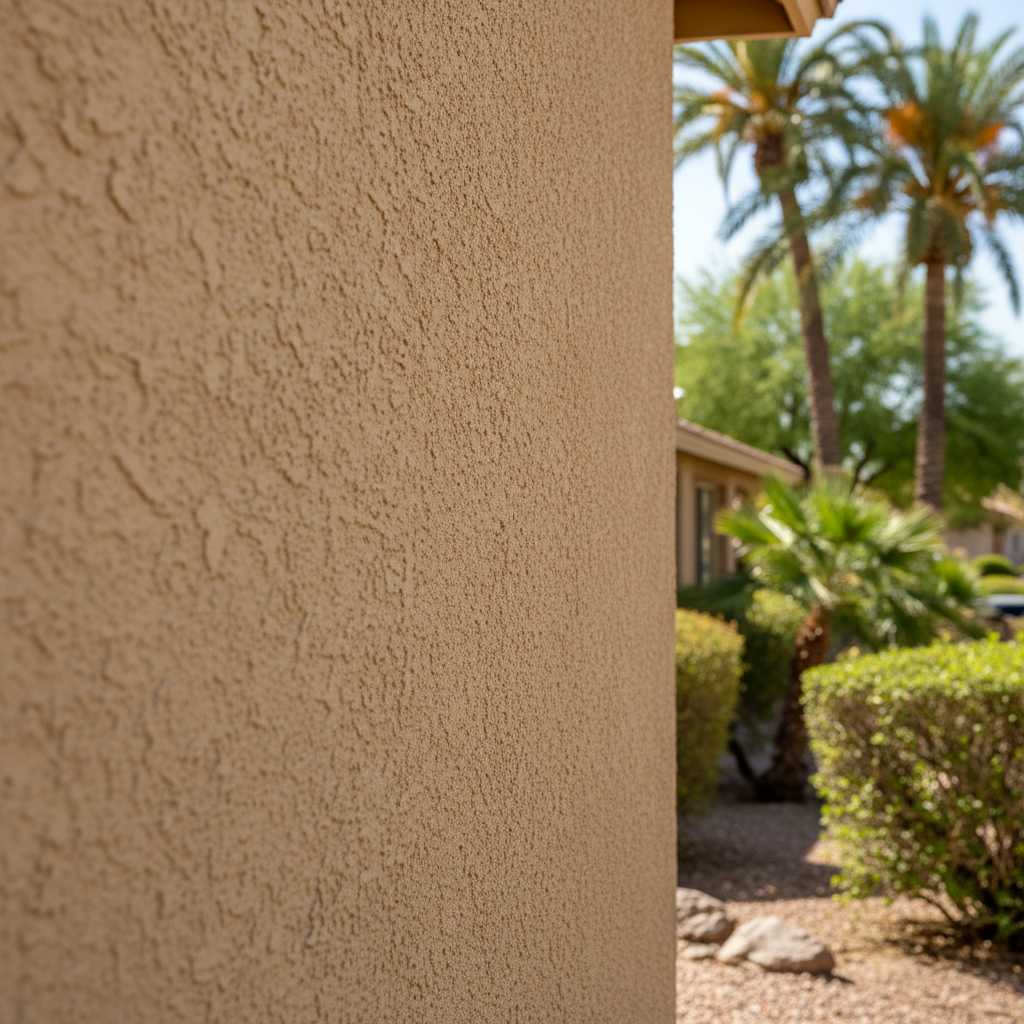
Is Stucco Removal Even Possible on My Tempe Home?
Oh, absolutely it is. I get asked this question a lot, and I think people sometimes picture stucco as concrete poured right onto the house frame, something impossible to get off without tearing down the whole wall. That's just not how it works. Stucco goes on in layers over a lath system — usually metal or wire mesh — which then attaches to the sheathing or framing. So, while it's a tough, long-lasting finish, it's definitely made to be put on and, yes, taken off.
Now, how easy it is to remove can change quite a bit. Older homes, especially those built before the 70s here in Tempe, might have a traditional three-coat system that's incredibly hard and thick. Newer homes, or ones with synthetic stucco (EIFS), could be a little different. But no matter the type, it's a lot of work. This isn't a weekend DIY project, especially if you want to avoid damaging the structure underneath or dealing with the huge pile of debris it creates.
Why Would Someone Want to Remove Stucco in the First Place?
That's a fair question, especially since stucco is such a popular and durable siding choice here in our desert climate. Most of the time, when we get a call for stucco removal, it's for one of a few main reasons:
- Serious Damage: Sometimes, stucco gets so badly cracked, chipped, or water-damaged that just patching it up won't cut it anymore. If you've got widespread delamination or ongoing moisture problems, a full removal might be the smartest long-term solution. It helps us get to the real source of the issue.
- Moisture Problems Behind the Stucco: This is a big one. If water has been sneaking behind the stucco and causing rot or mold in the sheathing or framing, you've got to take the stucco off to fix it right. You can't just patch the outside and cross your fingers when the structure underneath is compromised, right?
- Changing the Home's Look: Tastes change, and sometimes homeowners simply want a different aesthetic. Maybe they're dreaming of a stone veneer, brick, or even another type of siding altogether. Stucco removal is the first step in that kind of major exterior makeover.
- Getting Ready for an Addition or Big Remodel: If you're adding a large extension or completely changing the exterior walls, removing the existing stucco in those spots is often necessary. This helps ensure a smooth transition and proper integration of the new structure.
What's Underneath the Stucco Once It's Removed?
Good question. Once the stucco is gone, you'll typically see the building's sheathing. This is usually plywood, OSB (oriented strand board), or sometimes even an older material like plank sheathing, particularly on those classic ranch homes around the Maple-Ash neighborhood. On top of that sheathing, you'll often find a weather-resistant barrier (WRB), perhaps building paper or a synthetic house wrap. This barrier is super important for keeping moisture out of your home's wall cavity.
If there were moisture issues, you might also spot signs of damage to the sheathing or even the wall studs themselves. This is exactly why a full removal can be essential — it exposes and lets us tackle those hidden problems before they get worse.
How Long Does Stucco Removal Take?
This isn't a quick job, I'll tell you that much. The timeline really depends on your home's size, how complex its architecture is (lots of corners, windows, and doors really slow things down), and the type of stucco. For an average-sized single-story home here in Tempe, say 1,500 to 2,000 square feet, you're probably looking at anywhere from a few days to a week for the actual removal process. That's just the removal, mind you, not any repairs to the structure underneath or putting up new siding.
Access can also play a part. If we need scaffolding or special equipment to reach high areas, that adds to the setup time. And, of course, we always have to work with Tempe's weather. Trying to remove stucco in the middle of a monsoon storm isn't exactly ideal, for instance.
Is Stucco Removal a Messy Process?
Oh yeah, it's messy. Stucco removal kicks up a tremendous amount of dust and debris. Think about it: you're breaking up a solid, cement-based material. There's going to be fine dust everywhere, chunks of stucco, bits of lath, and old building paper. We take a lot of steps to contain it — tarps, plastic sheeting, and sometimes even temporary fencing — but it's just impossible to get rid of all the mess.
That's why it's so important to protect your landscaping, outdoor furniture, and anything else around your home. We'll talk through all that with you before we start so you know what to expect and what you might want to move or cover yourself.
What Happens After the Stucco is Removed?
Once the stucco is off, the next steps depend entirely on why you took it off in the first place. If there were underlying issues like rot or mold, we'd take care of those first. That might mean replacing damaged sheathing, studs, or even re-framing parts of the wall. Then, we'd make sure a good weather-resistant barrier is installed.
After that, it's time for the new exterior finish. Whether you're going with new stucco, siding, brick, or stone, that's a whole new project. We'll make sure the surface is prepped correctly for whatever you choose. Here at Tempe Stucco & Plastering, we can handle the entire process, from removal right through to the new finish, making it a much smoother transition for you.
Can I Remove Stucco Myself?
You *can*, but I really wouldn't recommend it for most homeowners. I've seen a lot of DIY attempts that wind up costing more in the long run. Here's why it's usually best left to the pros:
- It's incredibly labor-intensive: This isn't just swinging a hammer. It needs specialized tools, a lot of physical stamina, and a solid understanding of how the wall system is put together.
- Risk of damage: You can easily damage the sheathing underneath, the framing, or even electrical wires and plumbing if you don't know what you're doing. Fixing that damage adds significant cost and complexity.
- Safety: Working at heights, dealing with heavy debris, and using power tools all come with risks. Plus, older stucco can sometimes contain asbestos, which needs specific handling and disposal rules.
- Debris disposal: You'll have tons of heavy, bulky debris to get rid of. Most regular trash services won't take it, so you'll need a dumpster and a plan for disposal.
- Permits: Depending on the scope and what you're replacing it with, you might need permits from the City of Tempe. A professional contractor will take care of all that for you.
It's a big job, and getting it done right the first time saves you headaches and money down the road. If you're thinking about stucco removal, give us a call. We can come out, check out your situation, and give you an honest estimate of what's involved.