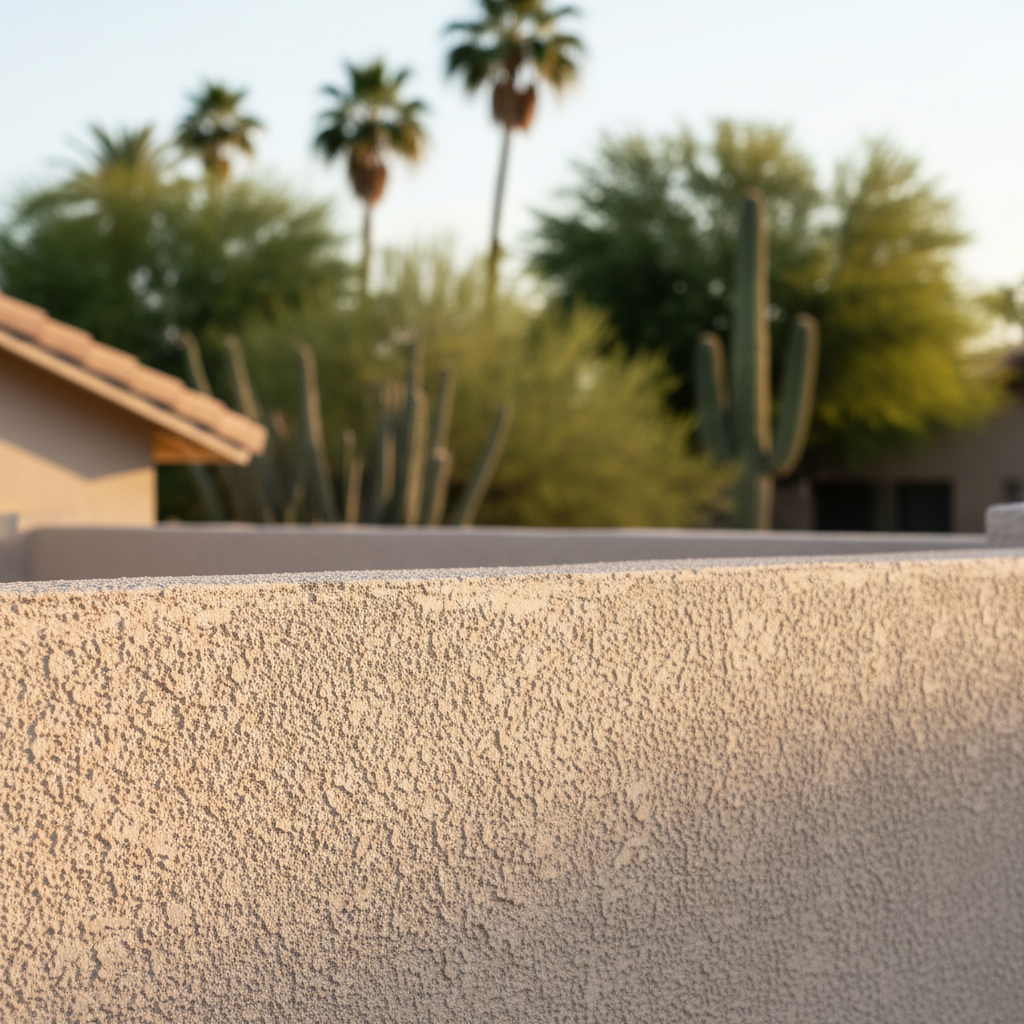
Why would someone want to remove stucco in the first place?
That's a good question, and honestly, there are a few common reasons I see folks around Tempe wanting to get rid of their stucco. Sometimes it's purely aesthetic. Maybe they bought an older home, and the stucco just isn't their style, or it's been painted so many times it looks tired. Other times, it's about damage. If stucco wasn't applied right the first time, or if there's been significant water intrusion behind it, you can get cracks, delamination, or even mold issues. You might have a house in an older neighborhood like Maple-Ash, and the original stucco is just showing its age, or maybe it's been patched so many times it looks like a quilt. In those cases, removal might be the best option to get a fresh start.
Is stucco removal a DIY project, or should I hire a pro?
Look, I'm all for homeowners tackling projects they're comfortable with, but stucco removal is usually not one of them. It's incredibly labor-intensive, dusty, and can be dangerous if you don't know what you're doing. You're dealing with heavy materials, potential lead paint on older homes, and the risk of damaging the underlying structure. Plus, you need specialized tools for efficient removal and proper disposal of the debris. I've seen DIY attempts that end up costing more in repairs than if they'd just hired a professional from the start. Unless you're a seasoned contractor with experience in this kind of demolition, I'd strongly recommend calling in a pro. It'll save you a lot of headaches, backaches, and potential costly mistakes.
What kind of mess should I expect during stucco removal?
Oh, it's going to be a mess. A big one. Stucco removal is probably one of the dustiest jobs we do. Bits of stucco, sand, cement, and sometimes old paint will be flying everywhere. We take precautions, of course – covering landscaping, sealing off windows and doors, and setting up dust barriers – but you can't eliminate it entirely. Think of it like a fine, gritty snowstorm descending on your property. If you have outdoor furniture or plants you care about, definitely move them far away or cover them well. Inside the house, you'll want to seal off any vents and keep windows closed. It's a temporary inconvenience, but it's part of the process. We always do a thorough cleanup, but expect to find some dust lingering for a bit.
How long does stucco removal typically take?
That really depends on the size of your house, the type of stucco, and how many layers there are. A small, single-story home might take a few days, while a larger, two-story house with multiple layers of stucco could easily take a week or more for the removal phase alone. Access also plays a role – if we need scaffolding or have tight spaces to work in, that adds time. And let's not forget the Tempe heat; we often have to start earlier in the day or work later into the evening during the summer months to keep the crew safe and productive. It's not a quick job, so plan accordingly.
What's underneath the stucco, and what condition will it be in?
This is where things can get interesting, and sometimes, a little unpredictable. Underneath the stucco, you'll typically find a layer of building paper or a weather-resistive barrier, and then some kind of lath – usually metal mesh (chicken wire or expanded metal lath) or sometimes wood lath on really old homes. Below that is your sheathing, which is often plywood, OSB, or even planking on older constructions. The condition of these layers varies wildly. If there's been water intrusion, you might find rotted wood, rusted lath, or deteriorated sheathing. We've seen everything from perfectly sound wood to sections that need complete replacement. We won't know the full extent until we start peeling back the layers, but we'll always keep you informed about what we find.
What are my options after the stucco is removed?
Once the stucco is off and any necessary repairs to the sheathing are made, you've got a clean slate for your home's exterior. Most people choose to replace it with a different siding material. The most common options we see here in Arizona are:
- New Stucco: Yes, some people remove old, damaged stucco just to put up new, properly installed stucco. It's a durable, energy-efficient choice for our climate.
- Siding: Fiber cement siding (like HardiePlank) is really popular. It's tough, fire-resistant, and comes in a ton of styles and colors. Vinyl siding is another option, often more budget-friendly.
- Brick or Stone Veneer: If you're looking for a more traditional or rustic look, brick or stone veneer can completely transform your home's curb appeal.