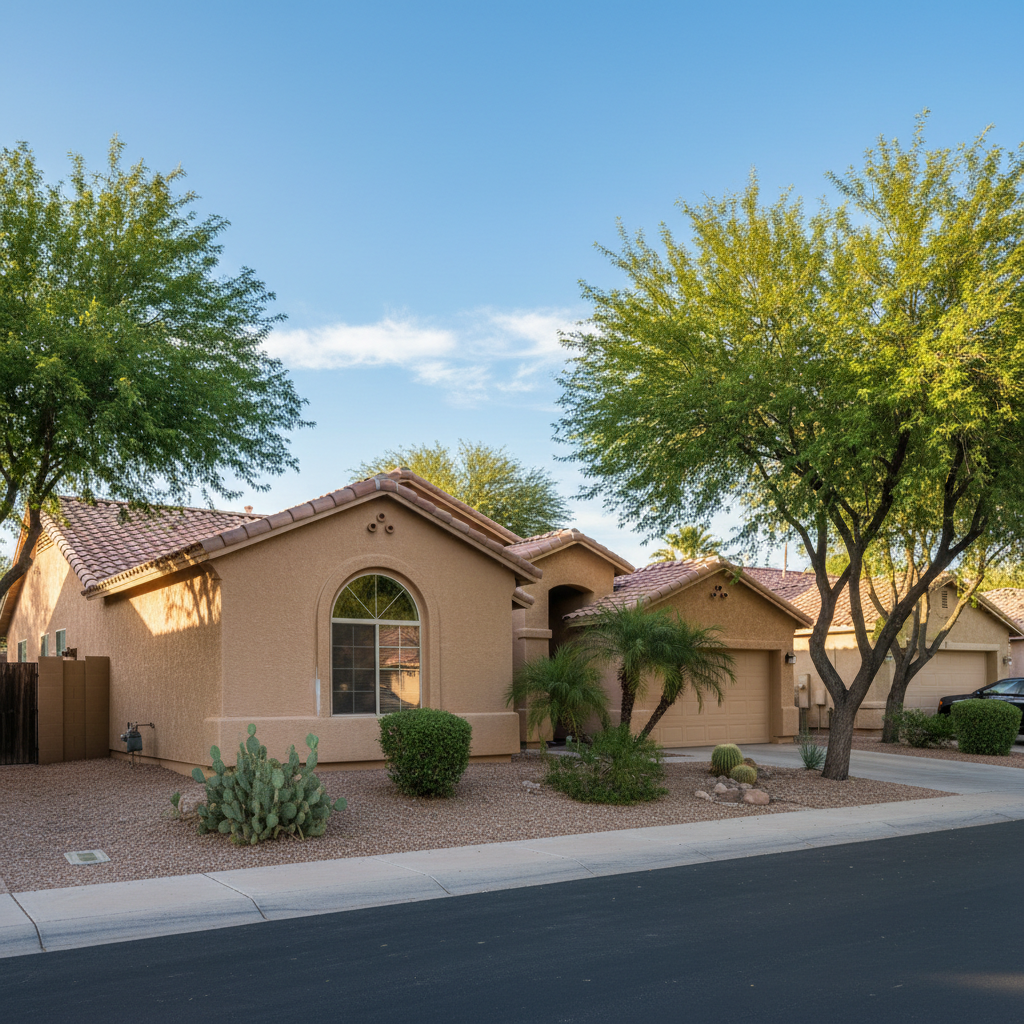
Ever walk around your Tempe neighborhood and notice how many homes are stucco? It’s everywhere, right? From the mid-century builds in College Park to the newer spots down in South Tempe, stucco is pretty much the skin of most houses here. And for good reason – it’s tough, looks good, and handles our heat. But 'tough' doesn't mean 'indestructible,' especially with what our desert climate throws at it. So, let's get real about stucco repair in Tempe.
What Our Desert Does to Your Stucco
Look, living in Tempe is awesome, but it's not exactly gentle on building materials. Your stucco is dealing with a few major things year-round:
- Extreme Temperature Swings: We can hit 110°F+ in the summer, and then it drops significantly at night. That constant expansion and contraction puts a ton of stress on your stucco. It's like your house is breathing, and that movement eventually leads to cracks.
- Intense UV Exposure: That beautiful Arizona sun? It's brutal on finishes. UV rays break down pigments, causing fading and making the surface brittle over time.
- Monsoon Mayhem: Those summer storms are no joke. Brief, intense downpours with wind-driven rain can push water into even the smallest cracks. If your stucco system isn't draining right, that moisture gets trapped behind the walls, leading to bigger, hidden problems like mold or wood rot.
- Expansive Clay Soils: A lot of the Valley sits on montmorillonite clay. This stuff swells when it's wet (hello, monsoon season) and shrinks when it's dry. That seasonal push and pull stresses your foundation, and that stress can transfer right up into your stucco, causing cracks.
All these factors mean that even small hairline cracks, which might seem cosmetic, can become entry points for water. And once water gets in, it can turn a small repair into a big, expensive headache. Believe me, you don't want that.
Common Stucco Repair Projects We See Around Tempe
Because of these local conditions, certain types of stucco repair are pretty common here. We're not just patching holes; we're often addressing the underlying issues that caused the damage in the first place.
Cracks, Cracks, Everywhere
This is probably the most frequent call we get. You'll see them around windows, doors, along rooflines, or just spiderwebbing across a wall. They come in a few flavors:
- Hairline Cracks: These often come from normal thermal expansion and contraction. They're usually less than 1/16 inch wide. You can sometimes patch these yourself, but if they keep coming back, there's a deeper issue.
- Larger Cracks (1/8 inch or wider): These are more serious. They can indicate foundation movement, improper installation, or significant temperature stress. Don't ignore these; they're a direct invitation for water intrusion.
- Stair-Step or Diagonal Cracks: These usually point to foundation settling or structural movement. If you see these, it's time for a professional assessment.
Water Intrusion Damage
This is the big one, and often the most costly. Water gets behind the stucco, and you might not even know it until you see bubbling, peeling, staining, or even mold. This often happens because of:
- Missing or Failed Weep Screeds: These are those little metal strips at the bottom of your walls that are supposed to let moisture out. Many older homes, especially those built in the 1950s-1970s in areas like College Park or West Tempe, might not have them, or they've failed.
- Improper Flashing: Around windows, doors, and rooflines, flashing is critical to divert water. If it's not installed right or has deteriorated, water finds its way in.
- Poor Drainage: Landscaping too close to the house, or grading that sends water towards the foundation instead of away, can lead to base saturation and efflorescence (those white, chalky salt deposits).
Fading and Texture Matching
While not structural, cosmetic issues are still important for curb appeal. The intense UV here means stucco fades, and matching that older, weathered color and texture can be a real art. This is especially true in HOA communities or historic districts where strict color requirements are in place.
Why Local Expertise Matters for Tempe Stucco Repair
You wouldn't hire a snowplow driver for a desert landscaping job, right? Same goes for stucco. Tempe's unique environment demands local know-how. Here's why:
- Understanding Climate-Specific Issues: We've seen firsthand how the 110-degree summers, the sudden monsoon downpours, and even the expansive soils affect stucco. We know what to look for and, more importantly, how to fix it so it lasts in *our* climate.
- Knowledge of Local Building Codes & Practices: Building codes evolve. Many homes built between 1970 and 1995 in Tempe used single-coat stucco over wire mesh, which is often outdated by today's standards for moisture management. A local contractor understands these historical methods and how to upgrade them to modern, durable systems.
- Material Selection for Desert Conditions: Not all stucco materials are created equal for the desert. We use bonding agents, sealers, and techniques (like fogging during hot-weather curing) that are proven to stand up to our heat and low humidity.
- Texture and Color Matching: This is where experience really shines. Blending a repair seamlessly with existing, weathered stucco requires specific sand gradations, cement types, and pigments. We often create test patches on-site to get it just right, ensuring your repair doesn't stick out like a sore thumb.
- Dealing with HOAs and Historic Districts: Tempe has plenty of HOAs and historic areas, especially around places like the Mill Avenue Historic District or the Maple-Ash neighborhood. They often have strict guidelines for repairs. We're used to working within those parameters, ensuring your project meets both performance and aesthetic standards.
At Tempe Stucco & Plastering, we're not just fixing stucco; we're protecting your investment against the specific challenges of living in this incredible desert city. Don't let a small crack turn into a major headache. Get it checked out by someone who understands Tempe homes.